
Why Travel Is So Good for the Health of a Romantic Relationship
Couples who pack a bag and leave town together tend to come back closer than when they left. This pattern holds across age groups, relationship lengths, and destination types. The reasons have less to do with beaches or mountain views and more to do with what happens when two people step outside their normal routines and face something new together.
Relationships settle into grooves. Morning coffee, evening television, the same conversations about work and errands. These routines provide comfort, but they rarely ask anything of either partner. Travel disrupts this. It introduces small frictions, unexpected decisions, and moments that require coordination. These moments add up. They remind couples why they chose each other in the first place.
Shared Adventures Strengthen Romantic Connections
Traveling together places couples in unfamiliar settings where they must coordinate plans, solve problems, and adapt to new routines. This process of working through small challenges and discovering new places side by side creates opportunities for building stronger bonds that ordinary daily life rarely provides. A 2024 ScienceDirect study of 238 partners found that self-expanding vacation activities predicted higher romantic passion and relationship satisfaction, but only when couples travelled together.
The data supports what many couples report anecdotally. According to a December 2024 Travel Age West survey, 73% of couples view travel as a true relationship test, while 61% said a specific trip helped reignite their romance.

Novelty Feeds Attraction
Psychologists have long studied what keeps partners interested in each other over time. One theory, called self-expansion, suggests that people are motivated to grow and gain new skills, ideas, and perspectives through their relationships. When couples engage in new activities together, they associate that sense of growth with their partner.
A study found that couples assigned to engage in new activities over a weekend reported greater sexual desire for their partner compared to those sticking to familiar routines. Travel is one of the most accessible ways to introduce novelty. A new city forces decisions about where to eat, what to see, and how to spend time. Each choice becomes a small collaboration.
Research shows 72% of travelling couples reported that travel inspired romance. The numbers line up with the theory. New places create new conversations. New conversations create fresh impressions of someone you thought you already knew.
Time Without Interruption
At home, couples compete with jobs, children, phones, and household obligations for each other’s attention. Conversations get cut short. Plans get postponed. Travel removes many of
these interruptions. There is no meeting to rush to, no lawn to mow, no neighbor stopping by.
This uninterrupted time allows for longer conversations. Partners can finish their thoughts. They can sit in comfortable silence without feeling like they should be doing something else. A 2024 ScienceDirect follow-up study of 102 romantic dyads found that self-expanding vacations predicted more post-vacation physical intimacy. The connection between time together and closeness is direct.
Problem-Solving as a Pair
Travel rarely goes perfectly. Flights get delayed. Reservations fall through. Language barriers create confusion. These small setbacks force couples to work together under mild stress. How partners handle these moments tells them something about each other.
Some couples discover they complement each other well. One stays calm while the other troubleshoots. These realisations build confidence in the relationship. Research shows 94% of traveling couples felt closer to each other. Part of this closeness comes from seeing your partner handle difficulty with patience or humour.
Physical Proximity and Touch
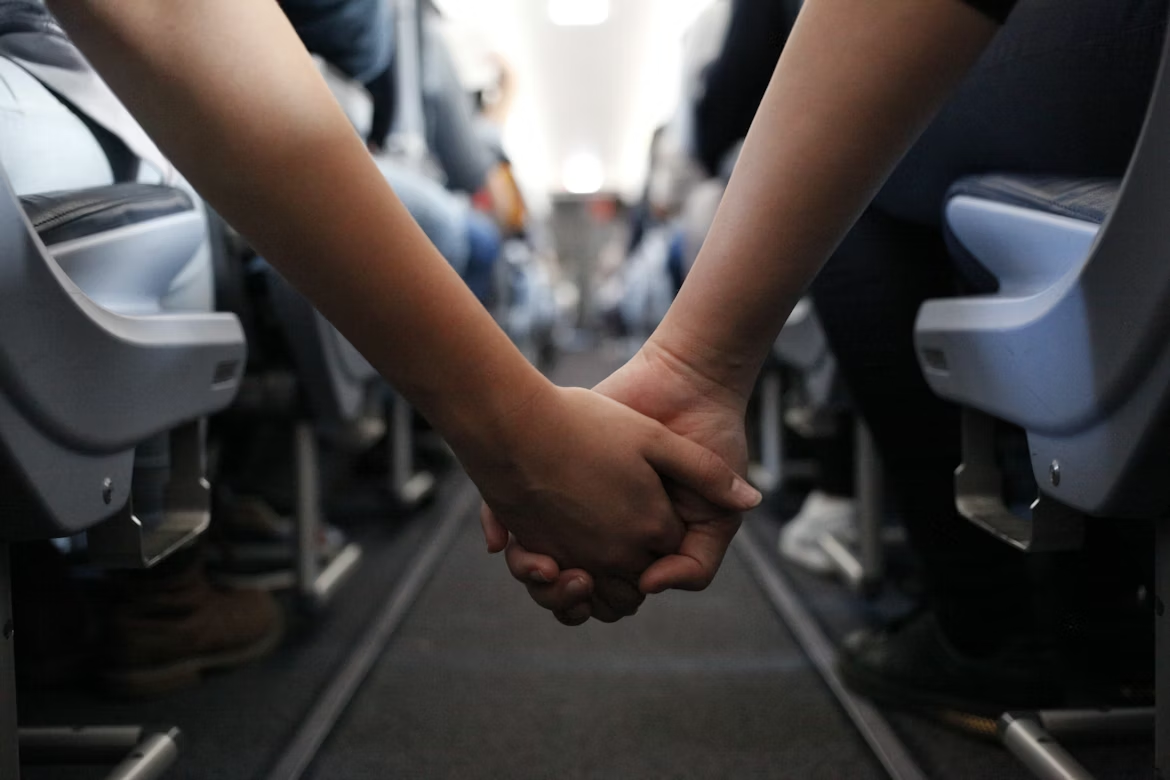
Travel often means shared hotel rooms, long car rides, and hours spent side by side. This physical closeness creates natural opportunities for touch. Holding hands while walking through a market, sharing a small cafe table, sleeping in unfamiliar beds together. Touch releases oxytocin, a hormone associated with bonding. Couples on vacation often report higher levels of physical affection compared to their routines at home. The data confirms this pattern. 77% of traveling couples maintained good intimacy after returning home.
Memory Creation
Relationships benefit from shared memories. These memories become reference points, inside jokes, and stories told at dinner parties years later. Travel produces dense clusters of memory. A single week away can generate more memorable moments than months of ordinary life.
Partners who can recall positive shared moments report higher satisfaction. They have evidence that their relationship has produced something worthwhile. Each trip adds to this archive.
Breaking Patterns That Cause Tension
Some couples fall into negative patterns at home. The same arguments resurface. The same frustrations build. Travel disrupts these loops. In a new setting, partners often behave differently. They are more relaxed, more open, more willing to let small annoyances pass.
This break from negative patterns can reset a relationship. Couples return home with proof that things can be different. They have seen each other at their best, away from the pressures that bring out their worst.
Shared Anticipation
Planning a trip together creates something to look forward to. This anticipation itself benefits relationships. Partners discuss options, research destinations, and make decisions together. The trip starts delivering value before anyone boards a plane.
Couples who plan trips together often report feeling like a team. The planning process requires compromise, preference-sharing, and coordination. These are the same skills that keep relationships healthy in other areas.
Coming Home Changed
Couples often return from travel with a renewed sense of appreciation for each other. They have seen their partner in new contexts. They have relied on each other in ways daily life does not require. This appreciation tends to linger. It colors how partners treat each other in the weeks that follow.
The research supports what travellers have always known. Getting away together works. It strengthens bonds, reignites romance, and gives couples a shared story to carry forward.